

THE PROBLEM
Dull, Dusty Tasting Curries and Stews Have you ever followed a recipe exactly, yet the final dish tasted “flat” or dusty rather than vibrant? Most home cooks add dried spices directly into a simmering liquid (like canned tomatoes or broth). Because many flavor compounds in spices are fat-soluble, they stay “locked” inside the dried plant matter if they only touch water, leaving the flavor muted and the texture grainy.
OUR TIP
Bloom Your Spices in Oil Before you add any liquid to your pot, sauté your dried spices in hot oil or butter for 30–60 seconds. You will know it’s working when the aroma suddenly fills the kitchen. This “blooming” process pulls the flavor out of the spice and into the cooking fat, which then carries that flavor to every other ingredient in the dish.
Please enjoy our Kitchen and Cooking tips, some links on this page are affiliate links. If you buy through these links, we may earn a commission at no extra cost to you. This helps support our site and allows us to continue producing helpful Tips and other content.
THE SCIENCE
Lipid-Solubility and Volatile Oils The essential oils in spices like cumin, coriander, and turmeric are hydrophobic—they don’t mix with water. By heating them in a lipid (fat), you trigger a chemical release of volatile aromatic compounds. This not only intensifies the flavor but also changes the molecular structure to make the spices taste less “raw” and more “toasted.”
THE TOOL
The Small Induction Butter Warmer
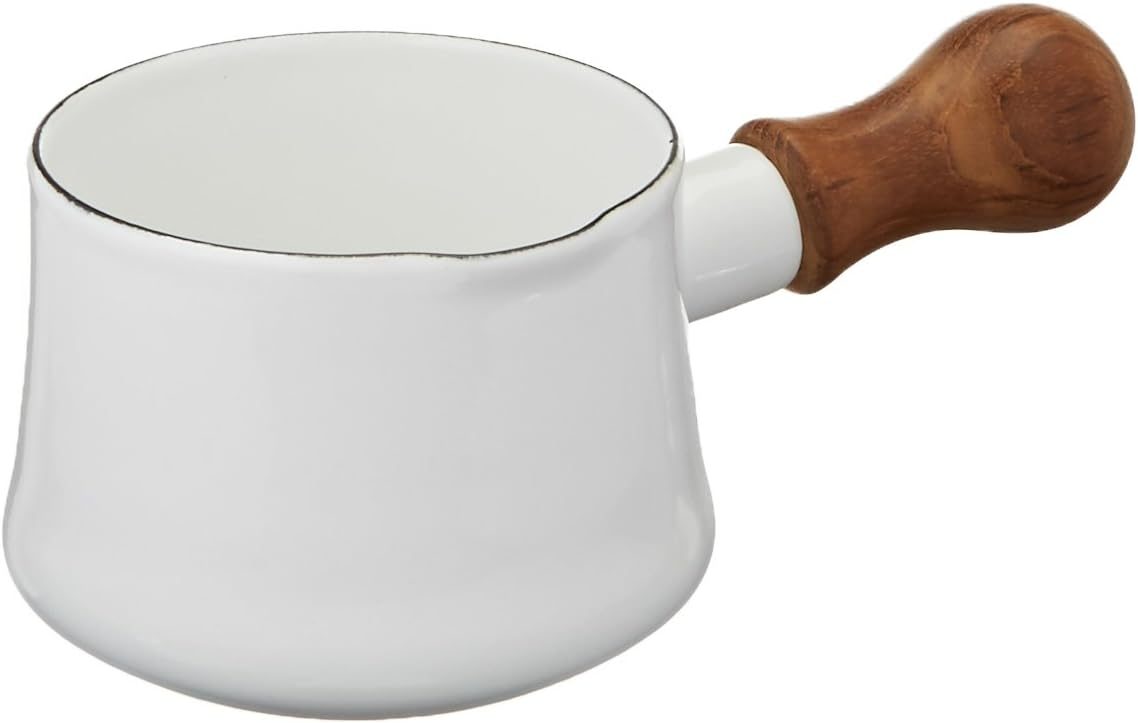
For small batches of spices or infused oils, the Dansk Kobenstyle Butter Warmer is perfect. Its small diameter prevents the oil from spreading too thin, ensuring your spices are fully submerged and toasted without burning.
Check Current Price & Availability at Amazon
KitchenandCookingTips.com participates in the Amazon Services LLC Associates Program, an affiliate advertising program designed to provide a means for sites to earn advertising fees by advertising and linking to Amazon.com