
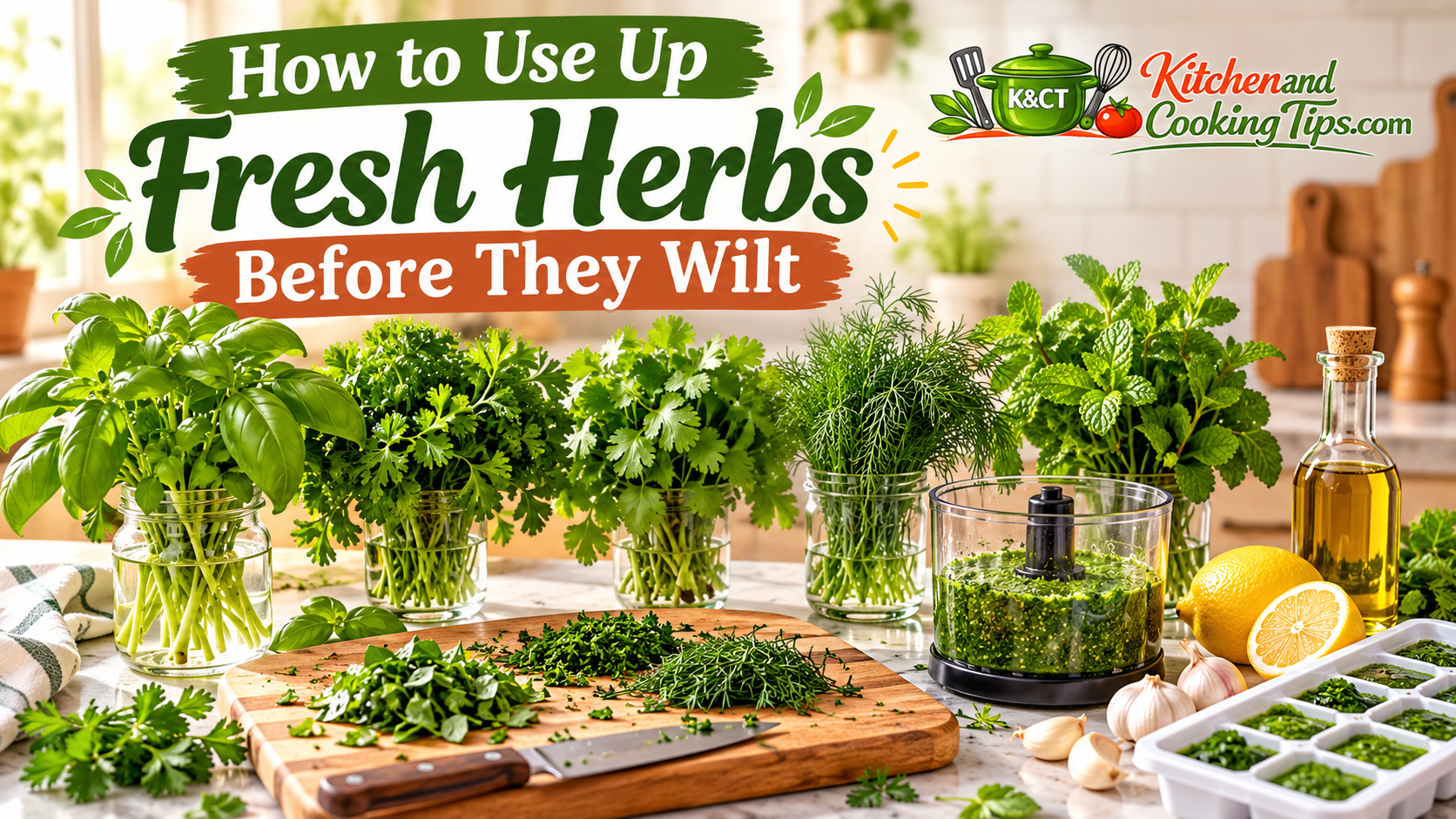
Welcome to Week 6 of The Use-It-Up Kitchen, where we take the small ingredients that usually get ignored and give them a real job before they fade in the fridge.
This week, we are talking about fresh herbs.
Parsley. Cilantro. Basil. Dill. Mint. Chives. Rosemary. Thyme. Maybe that little plastic clamshell of sage you bought for one recipe and then quietly avoided.
Fresh herbs are wonderful, but they can also feel like a trap. A recipe asks for two tablespoons of chopped parsley, so you buy a whole bunch. You use a little. The rest goes into the crisper drawer. A few days later, it is wilted, wet, or curled up like it has given up on dinner altogether.
That is the fresh herb problem.
The good news is that herbs do not need to sit around waiting for another recipe that calls for them by name. They can become sauces, dressings, marinades, compound butter, freezer cubes, salads, soups, egg dishes, rice bowls, pasta, potatoes, sandwiches, and roasted vegetables.
Fresh herbs are not decoration. They are flavor.
And if you use them that way, you will waste a lot less of them.
The Problem: Recipes Use a Spoonful, But Stores Sell a Bunch
Most fresh herb waste starts with a mismatch.
The recipe calls for a small amount. The store sells a bundle, container, or plant. You use what you need, then the rest becomes a refrigerator responsibility.
At first, the herbs look fine. Then the parsley goes limp. The cilantro gets wet. The dill softens. The basil turns dark in the fridge. The mint gets sad around the edges. And if the herbs are buried under lettuce, carrots, and a half-used bag of spinach, they are basically invisible until it is too late.
Fresh herbs also need different storage habits. University of Maine Cooperative Extension says cut herbs can be stored in a jar or glass with about one inch of water, covered with a plastic bag and refrigerated, with the water changed daily; herbs may last about five to seven days this way. Basil is the exception they call out because it does not store well in the refrigerator and should be kept at room temperature in a jar with water.
That explains a lot, doesn’t it? Especially the basil.
The solution is not to stop buying fresh herbs. The solution is to stop treating them like a garnish you might use later. Give them a plan early.
The Rescue Principle: Chop, Sauce, Freeze, or Finish
Fresh herbs are easiest to use when you choose one of four paths.
You can chop them into everyday foods like eggs, rice, potatoes, tuna salad, chicken salad, pasta, soup, roasted vegetables, and sandwiches.
You can sauce them into pesto, chimichurri, green goddess dressing, herb vinaigrette, salsa verde, yogurt sauce, or herb oil.
You can freeze them in water, oil, or small herb bundles for cooked dishes later.
Or you can finish meals with them at the end so they keep their bright flavor.
University of Maine Cooperative Extension recommends adding delicate herbs such as basil, chives, cilantro, dill, parsley, and mint during the last one to two minutes of cooking or as a garnish before serving; sturdier herbs like oregano, rosemary, and thyme can be added during the last 20 minutes of cooking.
That is a helpful kitchen rule. Tender herbs fade when cooked too long. Sturdy herbs can handle more heat.
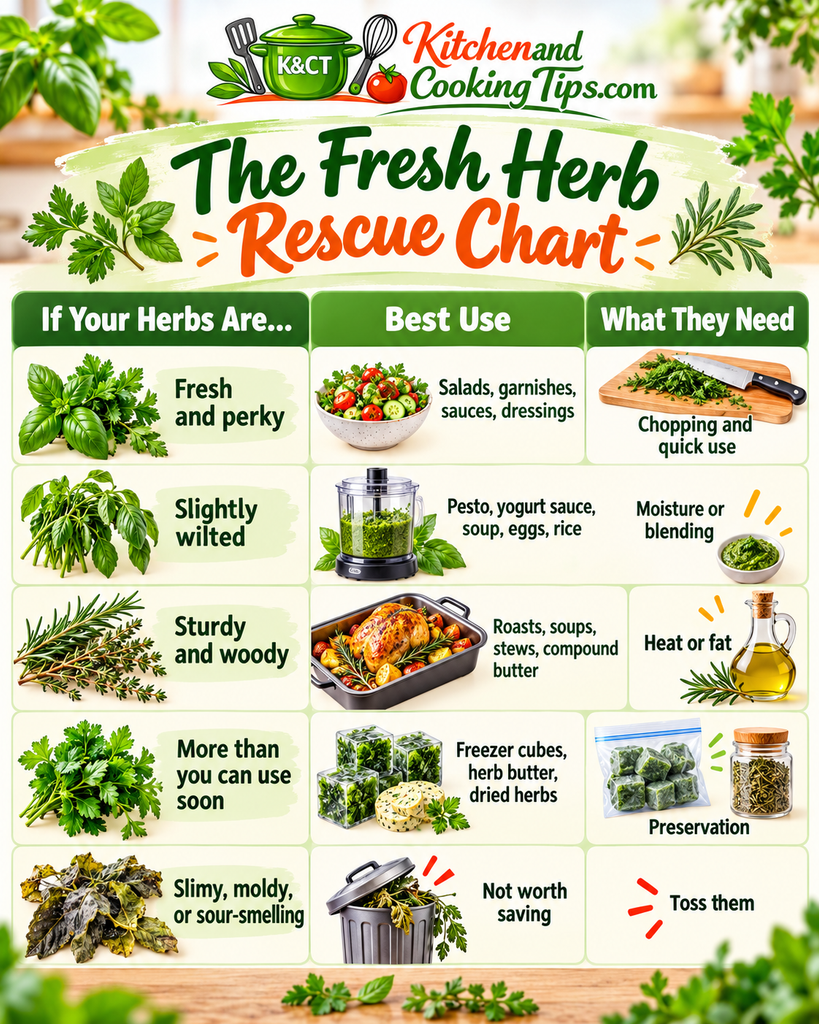
The Fresh Herb Rescue Chart
First, Wash and Store Fresh Herbs the Right Way
Fresh herbs should be washed before use. The FDA recommends washing all produce thoroughly under running water before preparing or eating it and drying it with a clean cloth towel or paper towel. The FDA also says not to wash produce with soap, detergent, bleach solution, or commercial produce wash.
For most herbs, wait to wash until close to the time you plan to use them unless they are dirty or gritty. Wet herbs stored too long can spoil faster. If you do wash them ahead, dry them well. A salad spinner helps. So does a clean towel and a little patience.
For soft herbs like parsley, cilantro, dill, and mint, trim the stems and place the bunch in a jar with about an inch of water. Cover loosely with a plastic bag and refrigerate. Change the water daily if you can. If that feels too fussy, at least change it when it looks cloudy.
For basil, treat it more like flowers on the counter. Keep stems in water at room temperature and out of direct harsh sunlight. Rutgers Cooperative Extension notes that basil is susceptible to chilling injury, with symptoms that can include blackening leaves, stem discoloration, and loss of aroma.
For rosemary, thyme, sage, and oregano, wrap the herbs loosely in a slightly damp paper towel and place them in a bag or container in the refrigerator. They are sturdier than tender herbs, but they are not immortal. Nothing in the crisper drawer is immortal, unfortunately.
Kitchen Tip
Store herbs where you can see them. A jar of parsley on the refrigerator shelf is easier to remember than a bunch trapped under celery in the drawer.
Please enjoy our Kitchen and Cooking tips, some links on this page are affiliate links. If you buy through these links, we may earn a commission at no extra cost to you. This helps support our site and allows us to continue producing helpful Tips and other content.
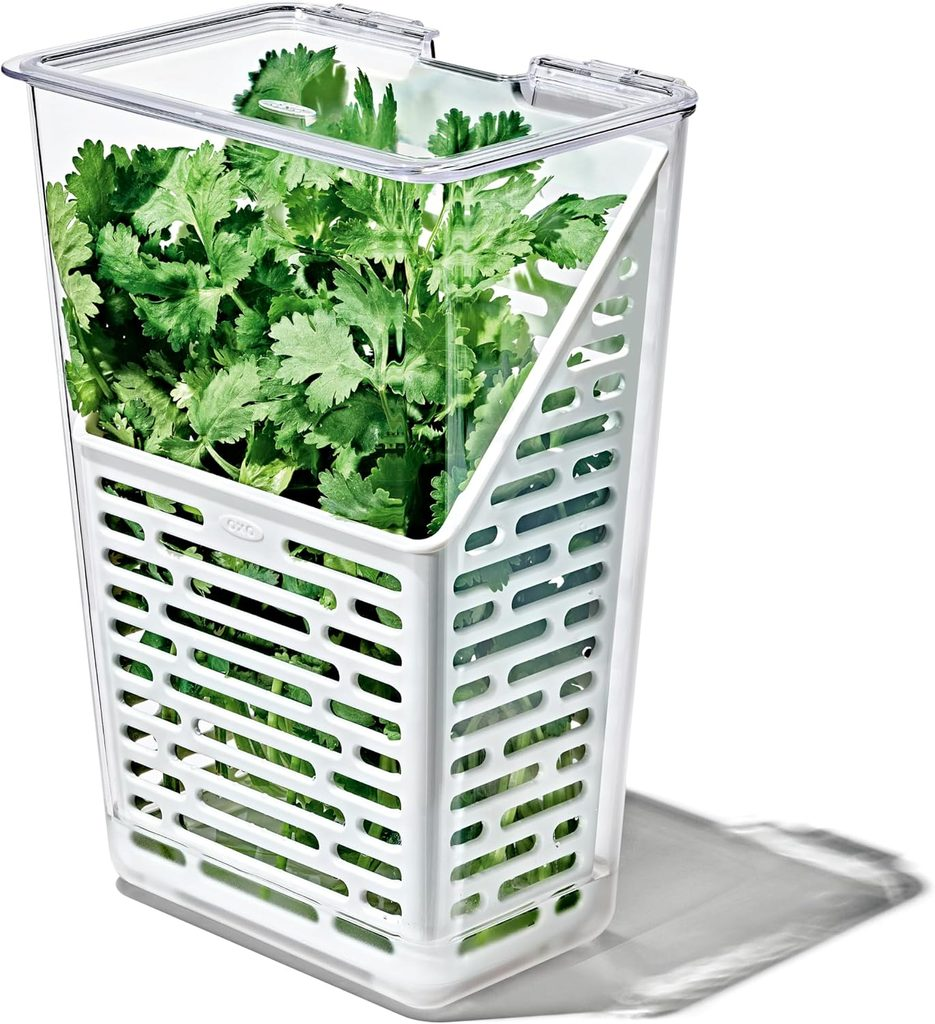
OXO Good Grips Produce Saver – Herb Keeper is a Great Fridge Organizer and storage unit with Ventilation and Water Fill Line for Keeping Herbs Fresh, Ideal for Parsley, Cilantro and Dill,
Check our Price and Availability on Amazon
Rescue Meal 1: Herb Sauce for Almost Anything
If you have a lot of herbs and not much time, make sauce.
This is the fastest way to use a bunch of herbs before they wilt. Herb sauces are flexible, and they can make plain food feel like a real meal. Spoon them over chicken, fish, eggs, potatoes, rice, beans, roasted vegetables, sandwiches, wraps, pasta, or soup.
A basic herb sauce needs herbs, fat, acid, salt, and something with flavor. That could be olive oil, lemon juice, vinegar, garlic, capers, mustard, yogurt, nuts, seeds, or cheese.
Parsley can become chimichurri. Basil can become pesto. Cilantro can become lime sauce. Dill can become yogurt sauce. Mint can become a lemony dressing. Mixed herbs can become a “whatever is left” green sauce. That is not a formal name, but it is honest.
Herb Sauce Formula
| Component | Options |
|---|---|
| Herbs | Parsley, cilantro, basil, dill, mint, chives |
| Fat | Olive oil, yogurt, mayonnaise, sour cream, tahini |
| Acid | Lemon juice, lime juice, vinegar |
| Flavor | Garlic, mustard, capers, chili flakes, ginger |
| Salt | Kosher salt, soy sauce, Parmesan, feta |
| Texture | Nuts, seeds, breadcrumbs, avocado |
Rescue Meal 2: Pesto Without Being Too Precious About It
Pesto is one of the best fresh herb rescues because it uses a lot of leaves at once.
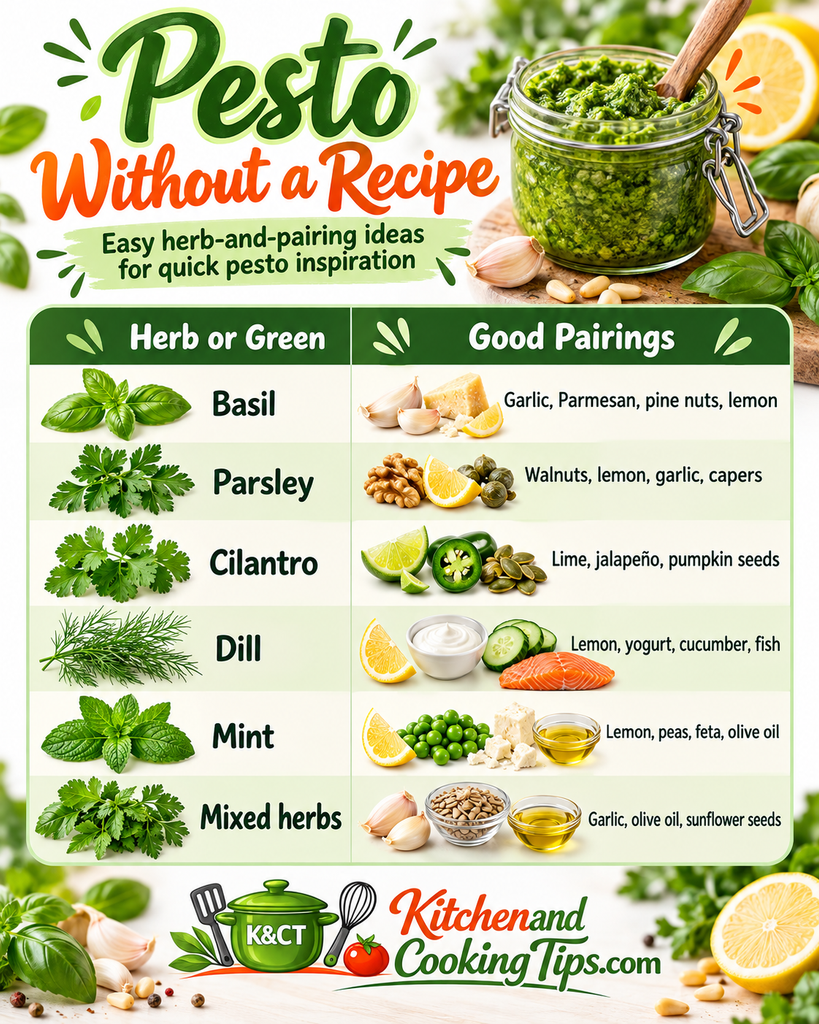
Traditional basil pesto is lovely, but you do not need to stop there. You can make pesto with parsley, cilantro, mint, arugula, spinach, carrot tops, or a mix of herbs and greens. Use olive oil, garlic, nuts or seeds, lemon juice, Parmesan if you have it, and salt.
Walnuts, almonds, sunflower seeds, pumpkin seeds, and pine nuts can all work. Parmesan is classic, but feta or nutritional yeast can work in a different direction. The point is not to make a perfect Italian pesto every time. The point is to save herbs while making something useful.
Use pesto on pasta, toast, eggs, roasted potatoes, rice bowls, grilled chicken, fish, sandwiches, or soup. Freeze extra pesto in small portions for later.
Flexible Pesto Chart
Rescue Meal 3: Herb Butter
Herb butter is one of those small kitchen habits that makes future meals easier.
Soften butter, then mix in chopped herbs, salt, pepper, garlic, lemon zest, or chili flakes. Roll it in parchment paper or store it in a small covered container. Keep it in the refrigerator for short-term use or freeze it for later.
Use herb butter on baked potatoes, toast, corn, rice, fish, chicken, steak, scrambled eggs, roasted vegetables, pasta, or warm bread. A slice of herb butter melting over plain vegetables can make them taste finished with almost no effort.
This is a good use for sturdy herbs like rosemary, thyme, sage, and chives. Parsley works too. Dill butter is excellent on potatoes and fish. Basil butter is good on corn and pasta.
Herb Butter Flavor Ideas
| Herb | Add | Use On |
|---|---|---|
| Parsley | Garlic, lemon zest | Bread, potatoes, chicken |
| Dill | Lemon, black pepper | Fish, carrots, potatoes |
| Chives | Garlic, pepper | Eggs, baked potatoes |
| Rosemary | Garlic, salt | Roasted potatoes, chicken |
| Thyme | Honey, pepper | Carrots, pork, biscuits |
| Basil | Lemon, Parmesan | Corn, pasta, toast |
Rescue Meal 4: Herby Eggs
Eggs are one of the easiest places to use fresh herbs quickly.
Add chopped parsley, chives, dill, basil, cilantro, or thyme to scrambled eggs, omelets, frittatas, egg salad, breakfast sandwiches, or shakshuka-style skillets. Tender herbs should usually go in near the end so they stay fresh-tasting.
Dill and chives are good in scrambled eggs. Parsley works in omelets. Basil works with tomatoes and mozzarella. Cilantro works with salsa, beans, and breakfast tacos. Thyme works well with mushrooms.
If the herbs are slightly wilted but still fresh-smelling and not slimy, eggs are a good rescue. Chop them finely and stir them in. Nobody needs to know they were almost forgotten yesterday.
Herby Egg Pairings
| Egg Dish | Herbs That Work |
|---|---|
| Scrambled eggs | Chives, dill, parsley |
| Omelet | Basil, parsley, thyme |
| Frittata | Parsley, chives, basil, oregano |
| Egg salad | Dill, parsley, chives |
| Breakfast tacos | Cilantro, chives |
| Mushroom eggs | Thyme, parsley |
Rescue Meal 5: Herb Rice, Potatoes, and Grain Bowls
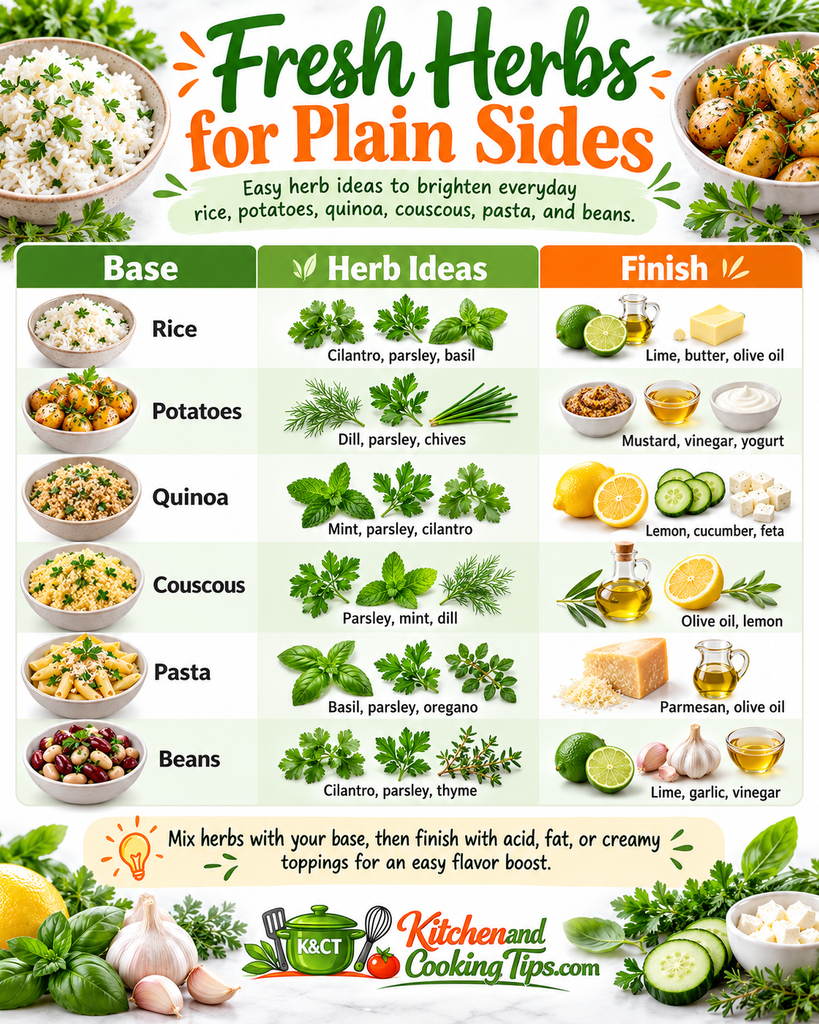
Fresh herbs can rescue plain starches better than almost anything else.
Leftover rice tastes different with cilantro, lime, and a little butter. Boiled potatoes become more interesting with dill, parsley, olive oil, and vinegar. Quinoa feels less plain with mint, parsley, cucumber, and lemon. Couscous practically asks for chopped herbs.
This is where herbs are useful for weeknight cooking. You do not need a full recipe. You need a handful of chopped herbs and something to carry the flavor.
For herbed rice, stir chopped herbs into warm rice with butter or olive oil, salt, and lemon or lime. For potatoes, toss cooked potatoes with herbs, oil, vinegar, mustard, or yogurt. For grain bowls, use herbs as part of the base rather than a sprinkle at the end.
Herb + Starch Pairing Chart
Rescue Meal 6: Herby Salads That Are Not Just Lettuce
Fresh herbs can be treated like salad greens, especially parsley, cilantro, dill, and mint.
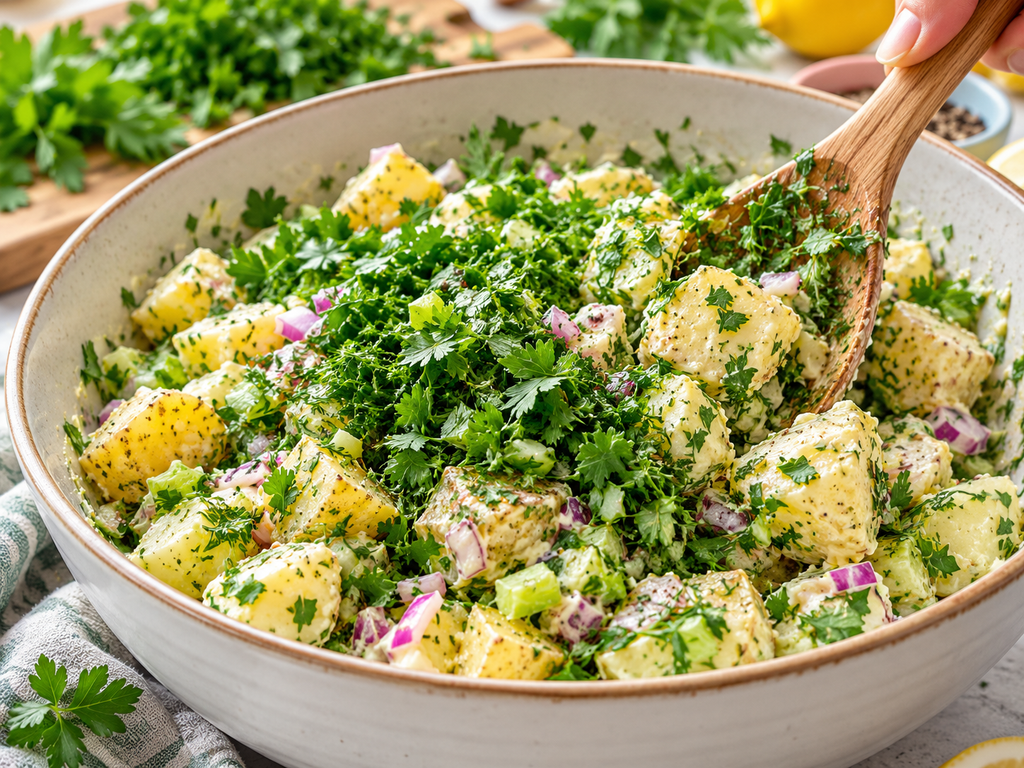
Tabbouleh is the classic example, with parsley as the main green rather than a tiny garnish. But you can use the same idea in other ways. Add a big handful of chopped herbs to cucumber salad, tomato salad, potato salad, bean salad, tuna salad, chicken salad, egg salad, pasta salad, or grain salad.
Herbs make cold food taste fresher. They also help leftovers feel less like leftovers.
Try chickpeas with parsley, cucumber, lemon, and olive oil. Try potatoes with dill, chives, mustard, and yogurt. Try tomatoes with basil and a little vinegar. Try watermelon with mint and feta. Try tuna with parsley, celery, lemon, and pepper.
That last handful of herbs can make lunch feel planned. Even if it was not. Let’s be honest.
Herby Salad Builder
| Salad Base | Herbs | Dressing Direction |
|---|---|---|
| Chickpeas | Parsley, cilantro | Lemon and olive oil |
| Potatoes | Dill, chives, parsley | Mustard vinaigrette or yogurt |
| Tomatoes | Basil, parsley | Olive oil and vinegar |
| Cucumbers | Dill, mint | Yogurt or vinegar |
| Pasta | Basil, parsley, oregano | Italian-style dressing |
| Chicken or tuna | Dill, parsley, chives | Mayo, yogurt, lemon |
Rescue Meal 7: Soup, Stew, and Broth Finishers
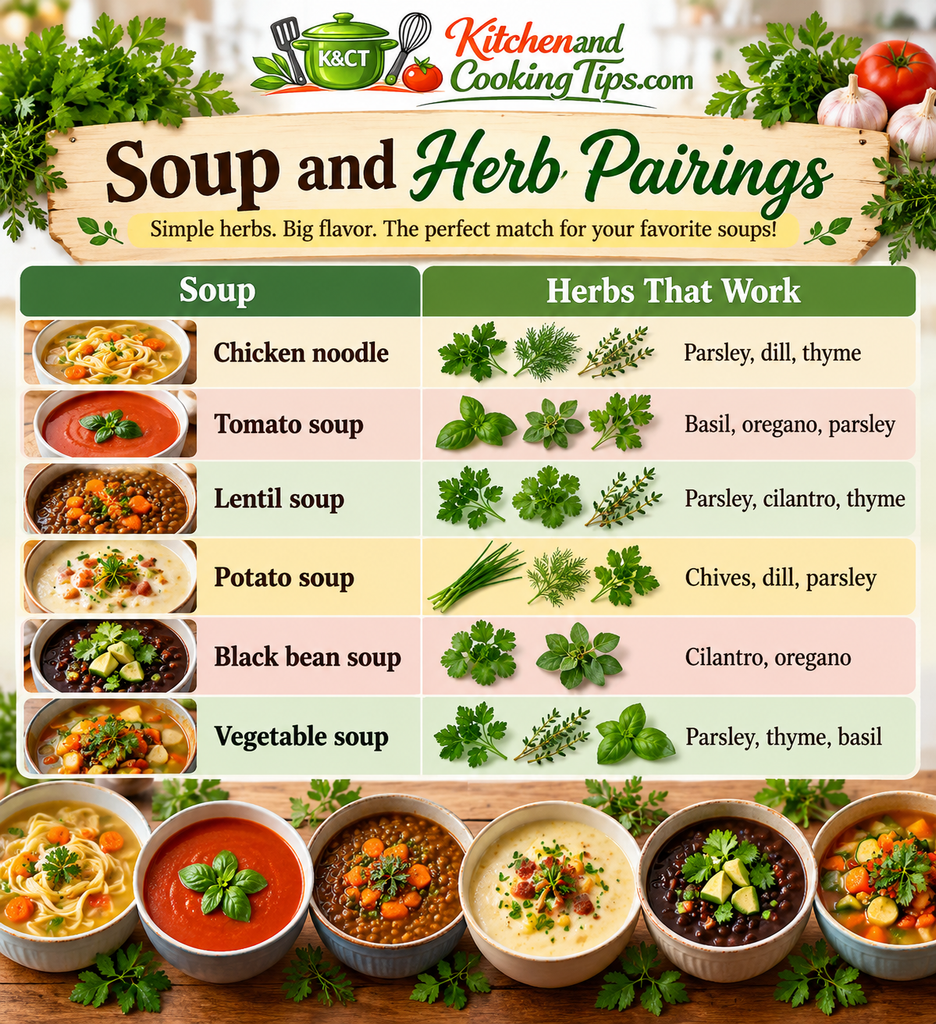
Fresh herbs can change a pot of soup in the last minute.
Parsley can brighten chicken soup. Cilantro can finish tortilla soup or black bean soup. Dill works in potato soup, fish soup, chicken soup, and lentil soup. Basil belongs with tomato soup and minestrone. Thyme and rosemary can simmer in stews, but use them with a lighter hand. They are stronger.
For tender herbs, add them near the end. For sturdy herbs, add them earlier, but not always at the beginning. University of Maine Cooperative Extension gives the general timing rule: delicate herbs near the end or as garnish, and sturdier herbs like oregano, rosemary, and thyme during the last 20 minutes of cooking.
If soup tastes flat, herbs alone may not fix it. You may also need salt or acid. Try lemon juice, vinegar, or a splash of pickle brine. Not too much. Just enough to wake things up.
Soup and Herb Pairings
Rescue Meal 8: Herb Marinades and Quick Dressings
Herbs can become marinades and dressings before they wilt.
For a quick marinade, chop herbs and mix them with oil, acid, garlic, salt, and pepper. Use it on chicken, fish, shrimp, tofu, vegetables, or beans. Keep food safety in mind when marinating meat or poultry: do it in the refrigerator, not on the counter.
For a dressing, use the same idea but balance it for eating. More acid, enough salt, and maybe mustard or honey to help it come together. A herb vinaigrette can go on salad, grain bowls, roasted vegetables, sandwiches, potatoes, or beans.
If you have only a small amount of herbs left, dressing is often better than pesto. It does not need as much volume.
Quick Herb Dressing Formula
| Ingredient | Amount |
|---|---|
| Chopped herbs | 2–4 tablespoons |
| Olive oil | ¼ cup |
| Lemon juice or vinegar | 2 tablespoons |
| Mustard | 1 teaspoon |
| Garlic | 1 small clove, optional |
| Salt and pepper | To taste |
| Honey or sugar | Pinch, optional |
Rescue Meal 9: Herb Freezer Cubes
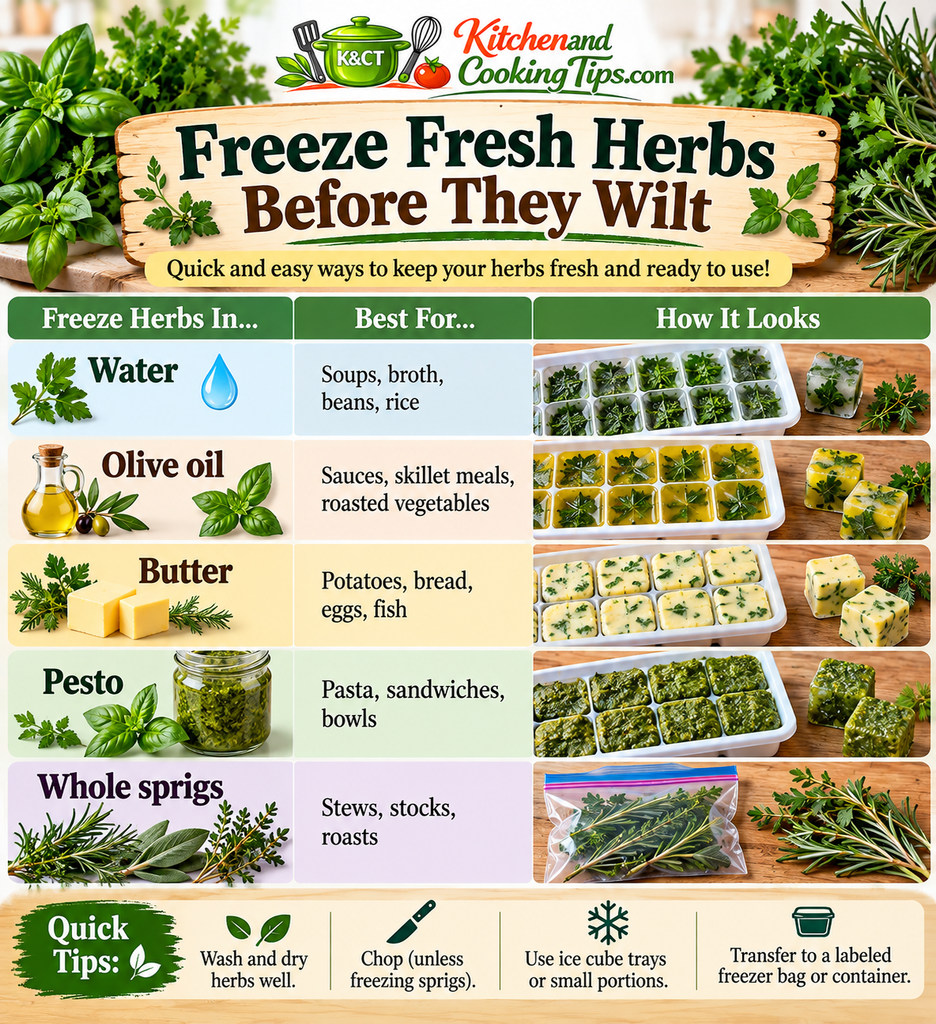
If you know you will not use the herbs in time, freeze them while they are still worth saving.
South Dakota State University Extension gives several herb-freezing methods, including freezing leaves on a tray, freezing chopped herbs in water, and freezing herbs in oil. For water cubes, they recommend adding one tablespoon of chopped herbs to each ice cube compartment, freezing, topping with water, freezing solid, then storing the cubes in a freezer bag. For oil cubes, they note that herbs mixed with oil should be frozen right away and not stored in oil at room temperature.
Frozen herbs are best used in cooked dishes because their texture changes after freezing. South Dakota State University Extension says frozen herbs stored airtight are good for up to six months and are better for cooked dishes than fresh garnishes.
Use herb cubes in soups, stews, sauces, rice, beans, roasted vegetables, pasta, and skillet meals. They are not pretty after thawing. That is fine. They are there for flavor, not decoration.
Herb Freezer Cube Chart
Rescue Meal 10: Dry Herbs for Later
Drying herbs is another option, especially for sturdy herbs like rosemary, thyme, sage, oregano, and parsley.
Drying is best when the herbs are still fresh, not when they are slimy or already breaking down. South Dakota State University Extension says herbs can be dried by air, microwave, oven, or dehydrator; air drying requires low humidity and good air circulation, while dehydrators offer controlled temperature and airflow.
Dried herbs will not taste exactly like fresh herbs. They are more concentrated and often better in cooked dishes than raw salads. Store dried herbs in an airtight container away from heat, light, and moisture.
Label them with the herb and date. Otherwise, six months from now you will be holding a tiny jar of green flakes and wondering whether it is oregano, thyme, or lawn clippings. Not ideal.
Fresh-to-Dried Herb Rule
A common substitution rule from University of Maine Cooperative Extension is to use three times as much fresh herb as dried herb, so one teaspoon dried herb equals about one tablespoon fresh herb.
That means fresh herbs are lighter in concentration, and dried herbs bring stronger flavor in smaller amounts.
Storage and Safety Note: When to Use, Freeze, or Toss
Fresh herbs are produce, so treat them with the same basic care you would give leafy greens.
The FDA recommends storing perishable produce such as herbs in a clean refrigerator at 40°F or below, except for produce that keeps better under different conditions. The FDA also recommends keeping produce that will be eaten raw separate from raw meat, poultry, seafood, and the utensils used for those foods.
Wash herbs under running water before preparing or eating them, then dry them well. Do not use soap or produce wash.
Toss herbs if they are slimy, moldy, sour-smelling, blackened from spoilage, or wet in a way that feels unpleasant. A few wilted leaves can be removed. A whole bunch that smells bad should go.
And do not wait until herbs are barely hanging on before freezing or drying them. Preserve them while they still smell good. That is the best sign they have something useful left to give.
Fresh Herb Use-It-Up Timeline
| Timing | Best Action |
|---|---|
| Day 1 | Use fresh in salads, garnishes, dressings, and sauces |
| Day 2 | Make pesto, herb sauce, herb butter, or herby eggs |
| Day 3 | Stir into rice, potatoes, pasta, soups, and grain bowls |
| Day 4 | Freeze in water, oil, butter, or pesto portions |
| Day 5+ | Use if still fresh-smelling and properly stored |
| Too late | Toss if slimy, moldy, sour-smelling, or spoiled |
The Fresh Herb Rescue Map
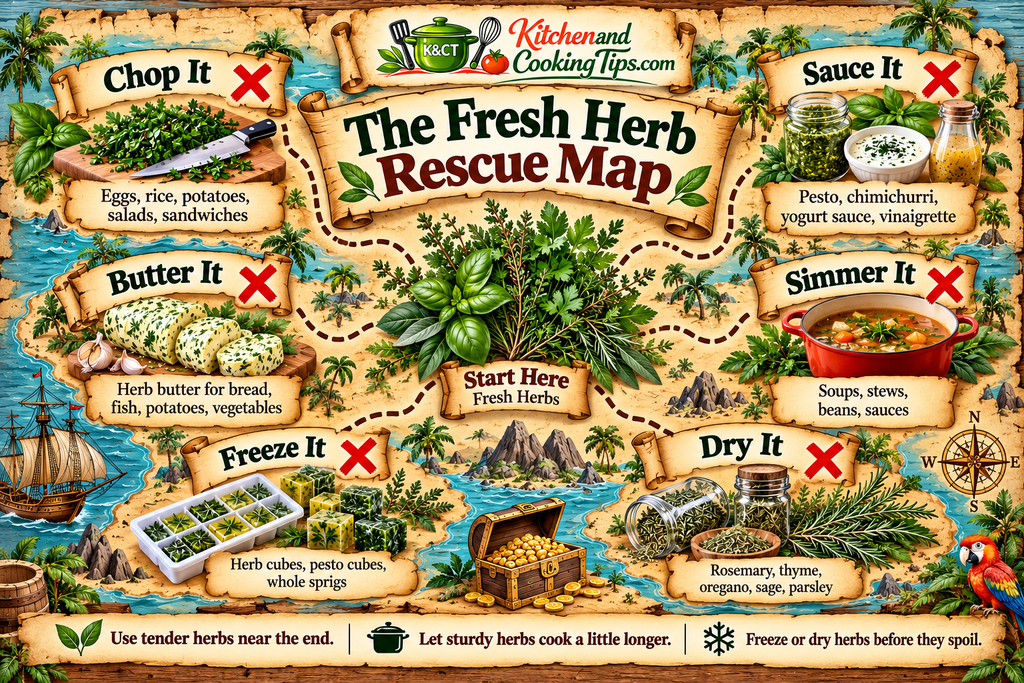
Practical Fresh Herb Meal Ideas
| What You Have | What to Make |
|---|---|
| Parsley + lemon + garlic | Green sauce for chicken, fish, potatoes, or beans |
| Cilantro + lime + yogurt | Taco bowl sauce or dressing |
| Basil + olive oil + nuts | Pesto for pasta, toast, or sandwiches |
| Dill + yogurt + cucumber | Sauce for salmon, potatoes, or wraps |
| Mint + lemon + olive oil | Grain salad or fruit salad dressing |
| Chives + butter | Baked potato or scrambled egg topping |
| Rosemary + garlic + butter | Roasted potatoes or chicken |
| Thyme + mushrooms | Omelet, pasta, or soup |
| Mixed herbs + vinegar + oil | Quick vinaigrette |
| Extra herbs + water or oil | Freezer cubes for cooked dishes |
Final Thoughts: Fresh Herbs Need a Plan Early
Fresh herbs are easy to waste because they feel small. A little parsley here, a few basil leaves there, one tablespoon of dill for a recipe. Then the rest gets pushed into the fridge and forgotten.
But herbs can do more than garnish a plate.
They can become sauce, butter, dressing, pesto, freezer cubes, soup finishers, salad builders, marinades, and quick flavor for rice, potatoes, eggs, pasta, beans, and bowls. The key is to use them before they start losing their best qualities.
That is the heart of The Use-It-Up Kitchen. Notice what is left. Match it to a purpose. Preserve what you cannot use right away.
A bunch of herbs may look like a small thing, but it can change the way dinner tastes. It can make leftovers feel fresh. It can make plain food feel finished. And it can keep one more good ingredient out of the trash.
That is enough reason to give those herbs a job before they wilt.
KitchenandCookingTips.com participates in the Amazon Services LLC Associates Program, an affiliate advertising program designed to provide a means for sites to earn advertising fees by advertising and linking to Amazon.com