
The Problem
The “Pancake” Cookie We’ve all been there: you spend an hour making cookie dough, but in the oven, the cookies spread out so thin they touch each other, creating one giant, greasy “pancake” on the sheet. This happens when the butter melts faster than the flour structure can set, usually because the dough was too warm or the oven had a hot spot.
The Tip
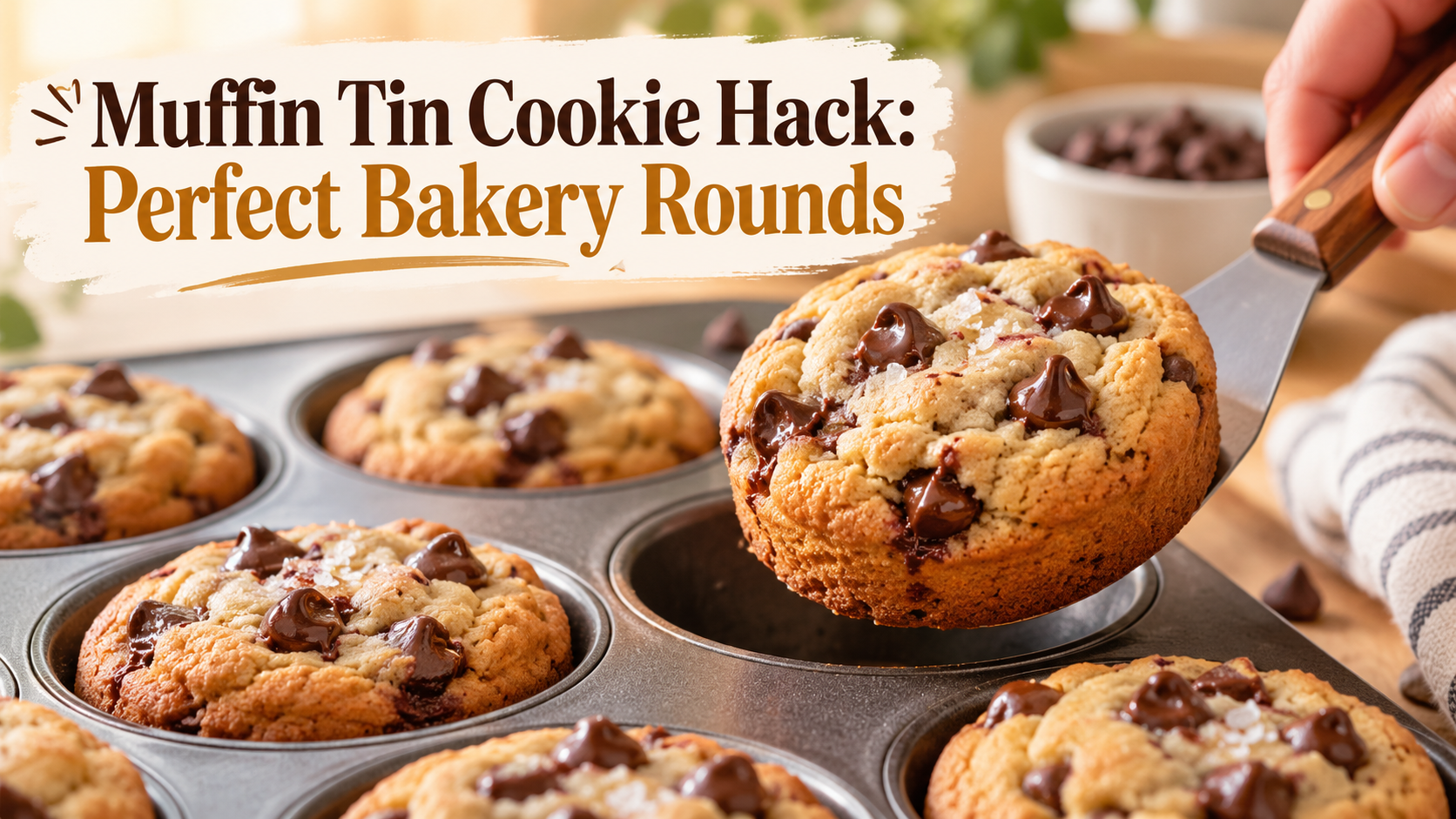
Bake Inside the Rings For perfectly thick, uniform, and “bakery-style” round cookies, bake your dough balls inside a muffin tin. The walls of the muffin cups provide a physical “boundary” that prevents the dough from spreading outward. Instead, the cookie is forced to grow upward, resulting in a thick, soft center and a perfectly contained, crispy edge.
Please enjoy our Kitchen and Cooking tips, some links on this page are affiliate links. If you buy through these links, we may earn a commission at no extra cost to you. This helps support our site and allows us to continue producing helpful Tips and other content.
The Science
Structural Containment Cooking is a race between the “flow” of fat and the “set” of proteins. By using a muffin tin, you are using “mechanical containment” to assist the dough’s structural integrity. The metal walls of the tin also conduct heat directly into the sides of the cookie, helping the edges set faster while the middle remains soft and chewy.
The Tool
Non-Stick 12-Cup Muffin Pan
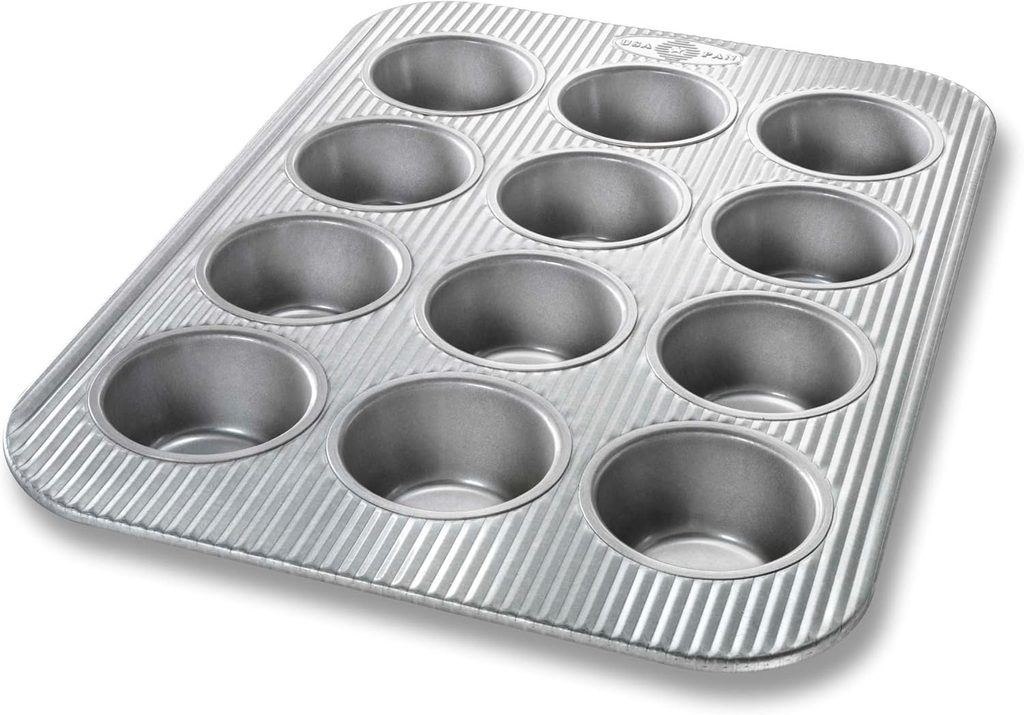
To make sure your thick cookies don’t stick, you need a high-quality coating. The USA Pan Bakeware Cupcake/Muffin Pan features a unique fluted design and a silicone coating that ensures even the gooiest cookies pop out without a struggle.
Check Current Price & Availability at Amazon
KitchenandCookingTips.com participates in the Amazon Services LLC Associates Program, an affiliate advertising program designed to provide a means for sites to earn advertising fees by advertising and linking to Amazon.com